Double Vision Prism Glasses: Adaptation Tips for Seniors Who Feel “Off” at First

Prism glasses for double vision

Summary and next steps Follow the prescribing clinician’s prism plan and stop unsafe activities if vision feels shifted or balance is uncertain. Record symptoms while seated Ask about frame fit and the intended wear schedule Do not use stairs or driving as an adaptation test Related guides How Seniors Can Adjust to Progressive Lenses Without … Read more

Visual Snow Syndrome in Older Adults: Coping Strategies Without Guessing Away Serious Symptoms

visual snow syndrome in older adults

Summary and next steps New visual static needs assessment rather than a self-diagnosis of visual snow syndrome. A symptom note can help describe the change. Record onset and whether one or both eyes are affected Describe flashes, floaters or other new symptoms Arrange appropriate care without delaying it for a home experiment Related guides Is … Read more

Photophobia Without Dry Eye: Indoor Glare Coping Setup That Actually Feels Livable

photophobia without dry eye

Summary and next steps Identify one glare source from a comfortable seated position. Reducing glare does not explain or treat the cause of light sensitivity. Move direct light out of the normal eye line Keep enough light to see the route clearly Discuss new pain, redness or worsening vision with an eye-care professional Related guides … Read more

Glaucoma Field Loss: Bumping Into Door Frames Solutions That Make Home Feel Less Treacherous

glaucoma field loss home safety

Summary and next steps Review one doorway with permission and ask about vision rehabilitation when field loss affects movement. Home markings do not replace glaucoma care. Note where previous bumps happened Improve contrast without adding a trip hazard Ask for individualized orientation and mobility support Related guides Glaucoma vs Normal Aging: 7 Vision Changes to … Read more

Low Vision With Essential Tremor: Reading and Dosing Tips for Safer Medication Routines

Summary and next steps Ask the pharmacist to review both label access and dose handling when low vision and tremor make medication difficult. Match each medicine to current verified instructions Ask about accessible labels and suitable dosing aids Resolve an uncertain or possibly repeated dose before guessing Related guides Best Magnifier Stand for Tremor Low … Read more

Charles Bonnet Syndrome: Seeing Patterns After Vision Loss and Coping Without Panic

Charles Bonnet syndrome

Summary and next steps Tell a clinician about new visual hallucinations. Vision loss can be associated with Charles Bonnet syndrome, but other causes need consideration. Note onset and what was seen without testing the image Record associated confusion or other symptoms Seek prompt medical advice and keep movement safe during an episode Related guides Is … Read more

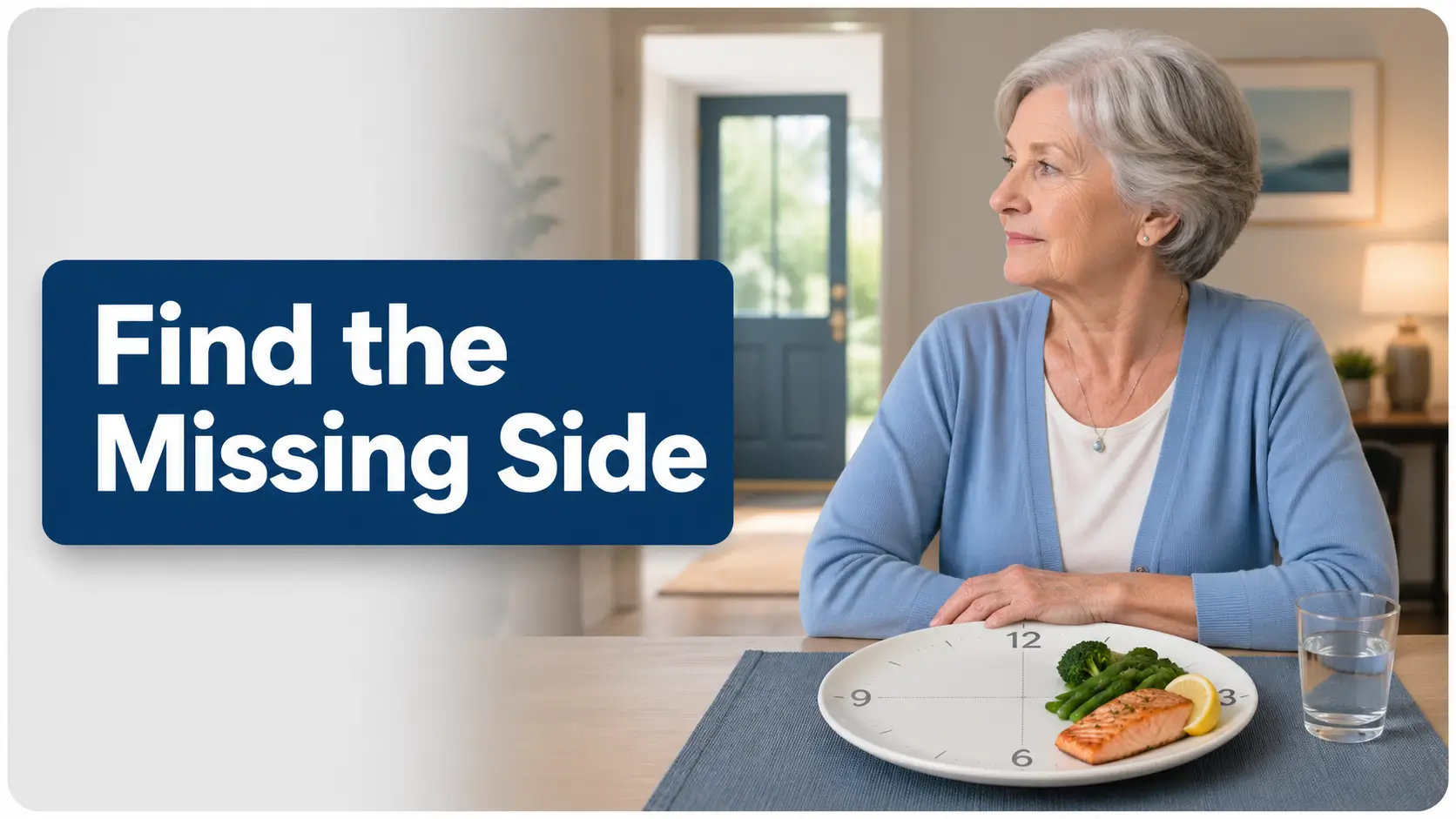
Hemianopia After Stroke: Plate Placement and Doorway Scanning for Safer Meals, Rooms, and Daily Movement

hemianopia after stroke

Summary and next steps Use the stroke and vision-rehabilitation team’s plan for meals and movement. A generic scanning routine is not a substitute for individual training. Ask which visual field and other abilities are affected Keep meal items in agreed, consistent places Arrange mobility guidance before practicing difficult doorways Related guides Coping With Vision Loss … Read more

Reading With Scotoma: Contrast, Lighting and Text Settings to Compare

Scotoma reading contrast

Summary and next steps Compare readable text and lighting settings one at a time for an existing assessed scotoma. A new blank area in vision needs clinical attention. Use the same short passage for comparisons Record comfort and useful settings Ask about low-vision rehabilitation when reading remains difficult Related guides Reading Lamp Height and Angle … Read more

How to Practice Eccentric Viewing at Home: A Simple Drill for Low Vision Reading Practice

eccentric viewing practice

Summary and next steps Ask a low-vision professional whether eccentric viewing suits your condition and how to practice it. It does not restore a damaged retinal area. Confirm the cause of central vision difficulty Request an individualized target and viewing strategy Stop practice if uncomfortable and report new symptoms Related guides Reading With Scotoma: Contrast, … Read more

How to Prepare Questions for Occupational Therapy Low Vision: A Safer, Smarter Appointment Plan

Low Vision OT Questions

Summary and next steps Bring three real tasks to a low-vision occupational therapy visit: one safety task, one daily task and one activity you value. Write where and when each task fails Bring relevant objects or photos with private details removed Ask what to practice, what to change and when to follow up Related guides … Read more