Cataract Surgery and Medicare Part B: Coverage and Cost-Sharing Questions
cataract surgery and Medicare Part B

Summary and next steps Cataract cost sharing depends on covered services, provider and facility billing, upgrades and your own coverage. A headline percentage is not the whole bill. Ask which providers and facilities will send statements. Confirm remaining deductible, approved amounts and secondary coverage. Request an itemized estimate before optional upgrades. Related guides Medicare Cataract … Read more

Monofocal vs Multifocal vs Toric IOL: Comparing Cataract Lens Options

Monofocal vs Multifocal vs Toric IOL

Summary and next steps Ask how the proposed lens addresses your measurements and visual priorities. Compare expected glasses use, optical tradeoffs and additional charges with the surgeon. Describe the distances and activities you most want to use. Ask which lens features are suitable for your eye findings. Confirm expected glasses use and itemized optional costs. … Read more

Cataract Surgery After 65: Costs, Lens Options, and Recovery

cataract surgery after 65

Summary and next steps Discuss the reason for surgery, lens options, expected recovery and total costs. Family examples are illustrations, not forecasts for your eye or bill. Ask what improvement is realistic for the individual eye. Confirm the proposed lens and any extra charges. Leave with readable recovery, medicine and follow-up instructions. Related guides Monofocal … Read more

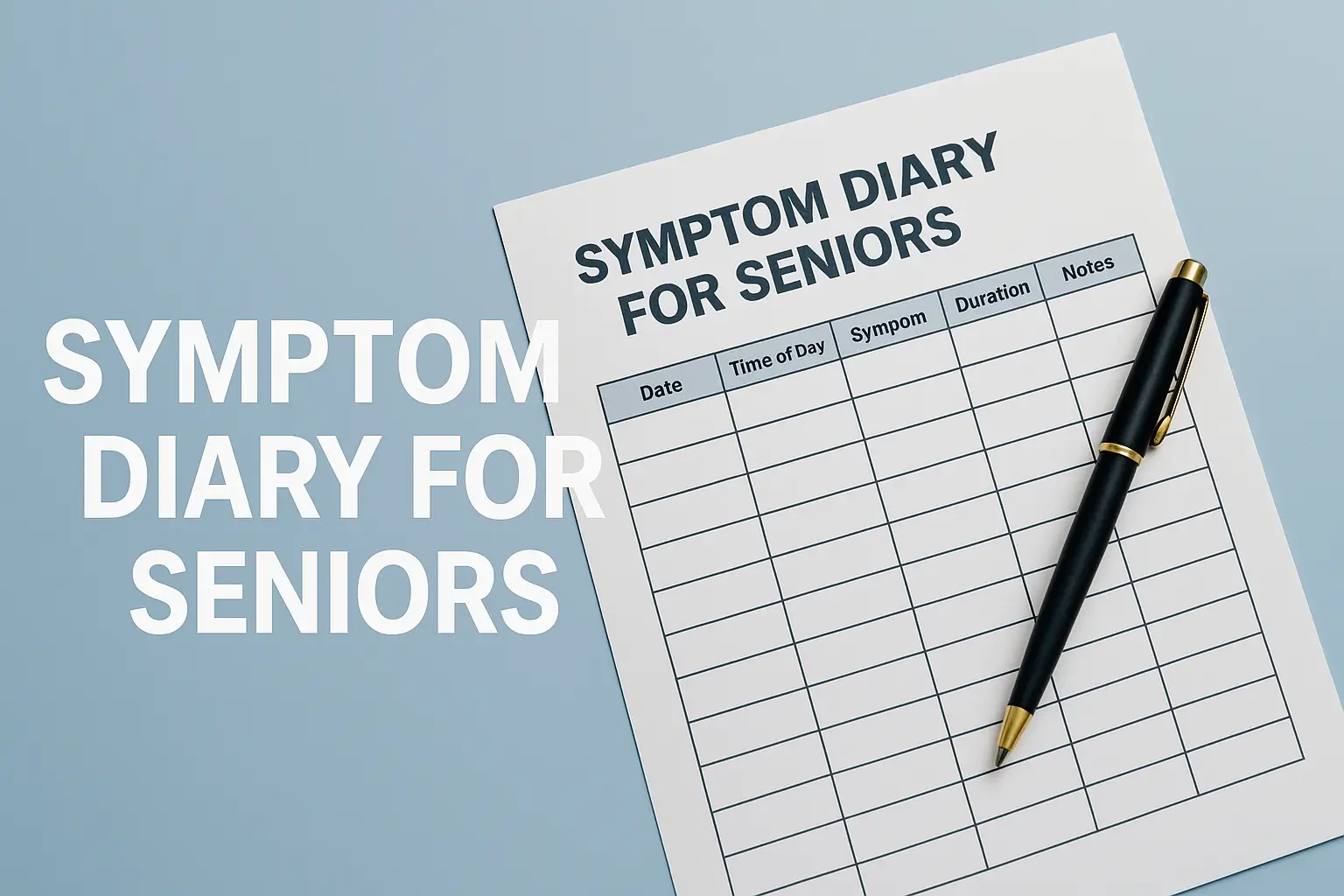
Printable Symptom Diary for Seniors: 7 Details to Track Between Eye Visits

Printable symptom diary for seniors

Summary and next steps A diary can organize a description between appointments. It cannot diagnose a condition or set a safe waiting period for new symptoms. Seek advice first if a new concerning change is occurring. Record onset, affected eye and the task that changed. Bring a concise dated record to the appointment. Related guides … Read more

Family History of Eye Disease: 7 Practical Steps for Eye Care

Family history of eye disease

Summary and next steps Tell the eye clinician which relative had which diagnosis, including what remains uncertain. Family history informs care but does not predict an inevitable outcome. Ask relatives for diagnosis details only with appropriate consent. Bring a short factual family-history note. Ask how the history affects your individual examination plan. Related guides Who … Read more

How Often Should Seniors Get Dilated Eye Exams? A Practical Guide

How often should seniors get dilated eye exams

Summary and next steps General age-based advice does not replace an individual follow-up plan. Existing eye disease and health history can change the needed examinations. Bring previous results and current medicine information. Ask which tests and follow-up interval fit the findings. Confirm what symptoms should prompt contact before that date. Related guides How to Prepare … Read more

Blindness Risk After 70: What the Statistics Say and How Care Can Help

blindness risk after 70

Summary and next steps Population prevalence is not your personal chance of becoming blind. The measurement, population and study year matter when interpreting an eye-health percentage. Check what outcome and population a figure describes. Discuss your own findings and follow-up rather than assigning a home risk score. Plan practical access to recommended examinations and treatment. … Read more

Is It Aging or a Serious Eye Disease? Red-Flag Symptoms After 65

Is It Just Getting Older or a Serious Eye Disease

Summary and next steps New eye symptoms should not be dismissed as normal aging. A checklist can organize a call but cannot distinguish harmless changes from eye disease. Seek appropriate prompt care for sudden or concerning symptoms. Describe onset and the specific visual change. Avoid driving yourself when vision is impaired. Related guides Printable Symptom … Read more

Annual Eye Exam Checklist for Seniors: 11 Questions to Ask Your Ophthalmologist

Annual eye exam checklist for seniors

Summary and next steps Prepare an eye appointment around symptoms, medical history and everyday function. Ask which conditions are being monitored and when to return. Bring medicines, previous treatment and a short symptom note. Choose the two daily tasks you most want to discuss. Record findings, next steps and the follow-up date. Related guides How … Read more

How Diabetes Damages Your Eyes: 7 Changes to Discuss With Your Eye Doctor

Diabetic Retinopathy

Summary and next steps Diabetic retinopathy can be present without noticed changes. Keep the recommended retinal assessment and contact the eye team about new symptoms. Confirm the retinal examination or monitoring plan. Share diabetes treatment and previous eye care. Ask what changes require contact before the next visit. Related guides Diabetic Macular Edema: Symptoms, Tests … Read more